

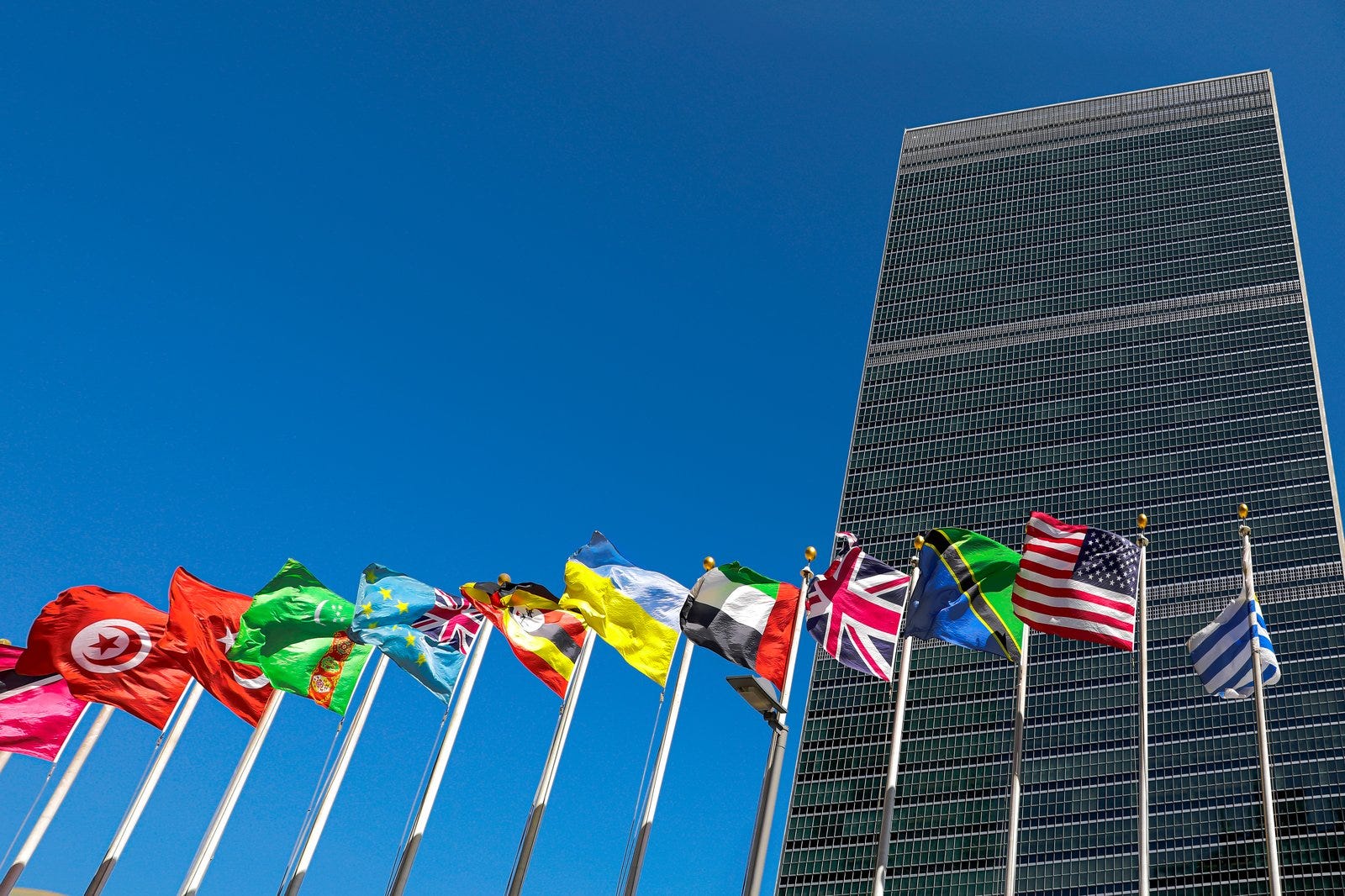
Finnish President Stubb and Norwegian Prime Minister Støre have launched an initiative to establish an international AI oversight authority, as reported by POLITICO.
As of last night, a total of 22 countries around the world had already signed on to this declaration, including the world’s third-largest economy Germany. The Netherlands, which is particularly important to the chip industry, is also among the signatories. Other key European countries, however, such as the United Kingdom, France, and Italy, were not yet on board.
The declaration addresses, among other things, the latest security incidents and warnings from industry and the scientific community:
Recently we have seen capable AI systems circumventing testing safeguards, exploiting vulnerabilities and gaining unauthorized access to real-world systems. Leading scientists and executives are warning that the pace of development could outpace our ability to manage emerging risks.
The heads of government continue to call for mandatory independent testing for the industry, as well as international cooperation to jointly address the risks posed by artificial intelligence. Signatories also pledge to establish binding international safety standards for AI development, something OpenAI also called for recently.
In an interview with POLITICO, the Finnish president and the Norwegian prime minister called on their British counterpart, Andrew Burnham, to join the initiative and use the upcoming British turn presiding over the influential intergovernmental forum G20 to advance the issue.
Burnham, who had also been pressured by the British opposition to address the issue, announced today that he does indeed intend to use the British G20 presidency to put together an international agreement on AI.
By now, frontier labs, the majority of experts, and a growing coalition of countries around the world are calling for more regulation and international cooperation. However, the signals from the U.S. and China — the two countries that matter most — remain mixed.
On the one hand, Trump has been dismissive of potential risks in recent days, calling warnings about them a “hoax” and rejecting regulation. On the other hand, his administration has certainly taken regulatory action with the restrictions on Anthropic’s model Fable and the executive order regulating frontier model deployment issued in June. Just last week Treasury Secretary Bessent stated that frontier labs must not be exempt from liability.
From China, in turn, we hear time and again encouraging signals from Xi Jinping, but at the same time, Chinese state media is also taking a clear stance against slowing down development.
Hopefully the UN Security Council briefing by Sam Altman, senior representatives from Anthropic, and representatives from the Chinese AI companies DeepSeek and Moonshot will tip the scales in the right direction.
For the growing coalition of countries that recognize the danger, this means they must use their influence to convince the U.S. and China to join international efforts for regulation. Artificial superintelligence is a danger for humanity that can’t be dealt with unilaterally.
The analyses and opinions expressed on AI StopWatch reflect the views of the individual contributors and the sources they cover, and should not be taken as official positions of the Machine Intelligence Research Institute.