

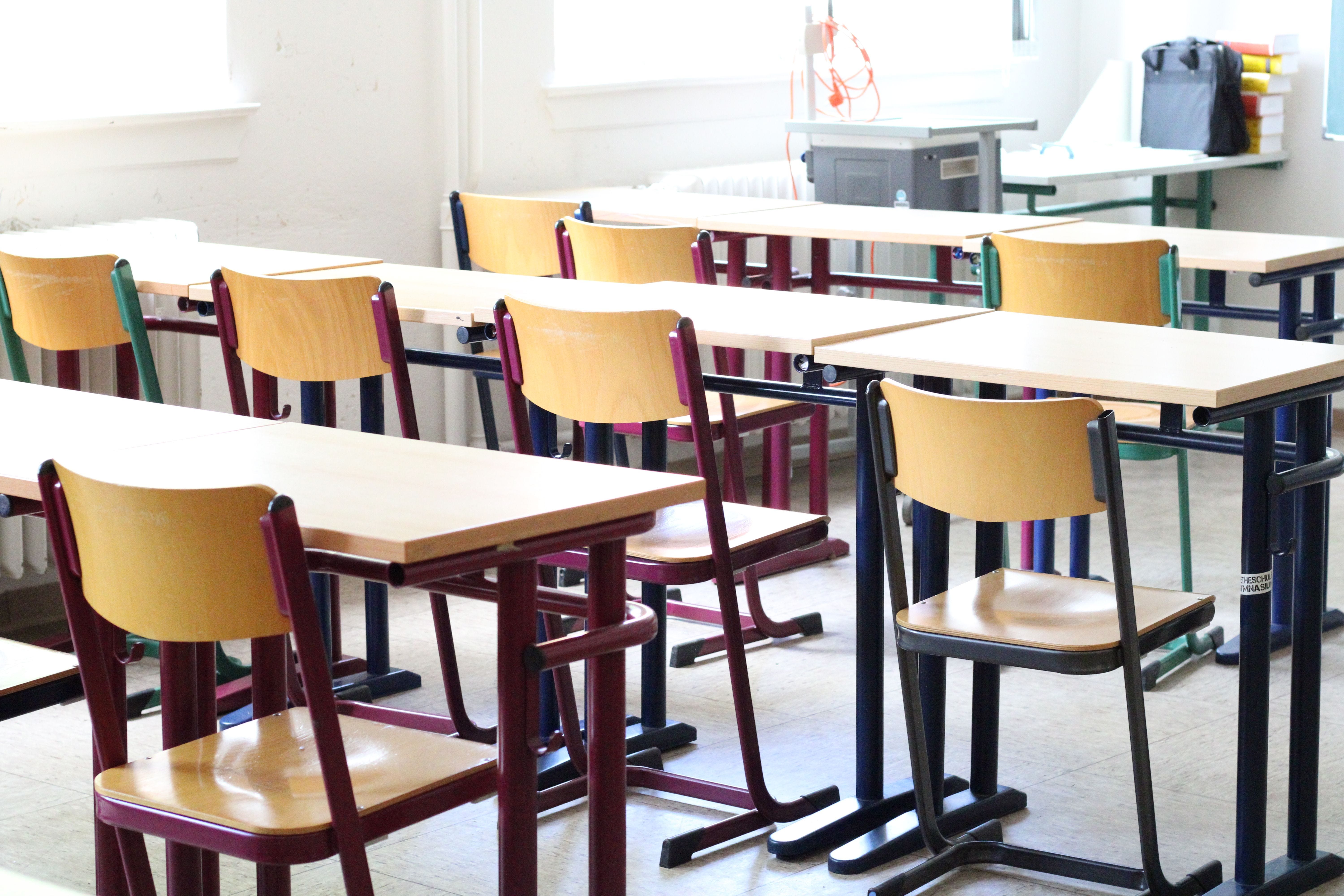
New York City has banned classroom AI use for one year, for students in grades 2-K (2-year-olds) through 8th grade. This means the AI components of over 38 tools previously used in the classroom will be “disabled or discontinued,” Mayor Mamdani told Politico. According to the New York Times, teachers also will not be allowed to ask AI to grade assignments, to decide whether a student should graduate, or to advise on crisis counseling.
Politico calls the policy “one of the most aggressive a major school district has taken to date,” though some parents wish it had gone further, such as covering all grades or lasting longer than a year.
Mamdani says the one-year ban will be evaluated after it ends and possibly extended or amended. I was interested to learn, elsewhere in the article, that NYC “initially blocked student and teacher access to ChatGPT in 2023 on Department of Education devices or internet networks, citing learning and safety concerns” but “reversed its position months later.”
I’m curious to see if NYC can demonstrate concrete benefits or disadvantages after this one-year test — a task that seems pretty difficult. Evaluating changes to education practices is always tricky, since effects don’t always show up right away, and there aren’t always clear benchmarks to compare to. If NYC is lucky or skilled enough to get clear results, these could inform decisions in other cities or states, making a chaotic mess of policies slightly more data-based.
As with other disruption-prone areas — including elections, hiring, health care, policing, and deepfakes — the absence of federal legislation means states and municipalities are largely on their own to navigate AI disruption as best they can. It would be nice if they could start sharing some data, even if limited.
The analyses and opinions expressed on AI StopWatch reflect the views of the individual contributors and the sources they cover, and should not be taken as official positions of the Machine Intelligence Research Institute.