


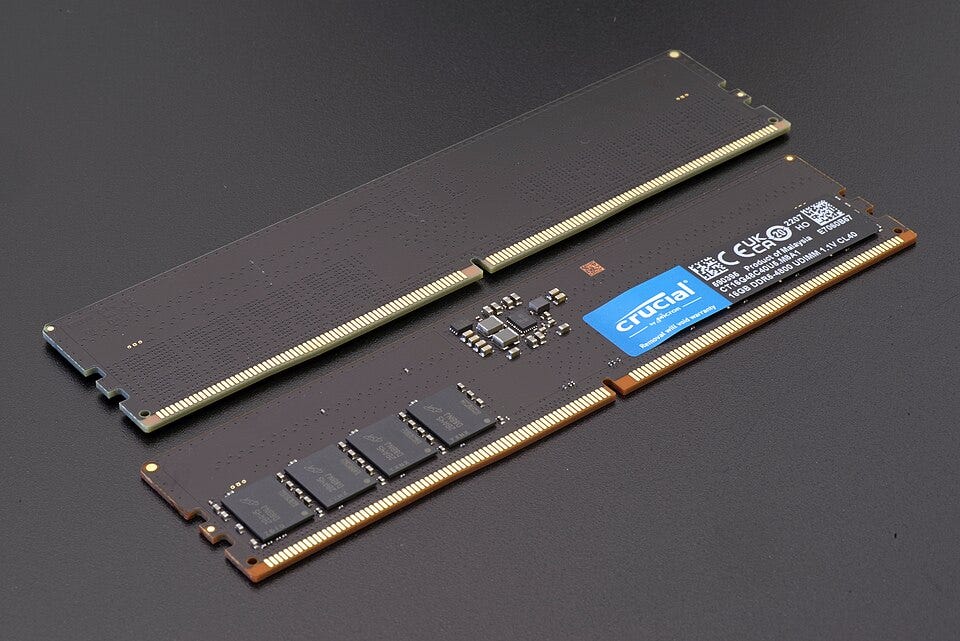
Since coming down from the post-pandemic price shock, inflation in the U.S. has mostly been a multicausal phenomenon — a bird flu here, a war in the Strait of Hormuz there. Over the past year, we’ve seen the AI buildout become part of that mix, first driving up the price of memory chips more than 400%, and then forcing price hikes in consumer electronics that need those same chips.
Now, the ripple effects of AI-induced inflation are widespread enough to be on the Federal Reserve’s radar. According to an Associated Press article today, Fed officials are said to be considering AI among other factors that might warrant an increase in interest rates to cool demand and bring prices down.
Recent price hikes by Apple have served as a barometer for AI’s inflationary footprint. A top-of-the-line MacBook is set to cost $1,999 now, up from $1,699.
But everything from phones to game consoles has been affected. When consumers balk at the higher prices, sales drop, causing more pain. The head of Microsoft’s Xbox division called the components shortage “the most severe hardware crisis in history” in an email announcing mass layoffs, according to CNN.
One analyst told CNN he expects it to be at least a year before prices come down, and that it could get worse before it gets better. “We should start thinking about a $1,500 iPhone instead of a $1,000 (or) $1,200 iPhone,” he said.
The analyses and opinions expressed on AI StopWatch reflect the views of the individual contributors and the sources they cover, and should not be taken as official positions of the Machine Intelligence Research Institute.