

As a college freshman, I shared a dorm room with an aspiring aerospace engineer, a friendly fellow whose focus and dedication amazed me. I’m a bit of a perfectionist nerd myself, but my roommate raised the bar higher than I’d imagined possible. Later experiences have only reinforced my impression that aviation is full of shockingly competent people.
Yale research fellow Gautam Mukunda expressed similar thoughts in a Bloomberg opinion piece today, arguing that America needs to regulate AI the way the Federal Aviation Administration (FAA) regulates aircraft.
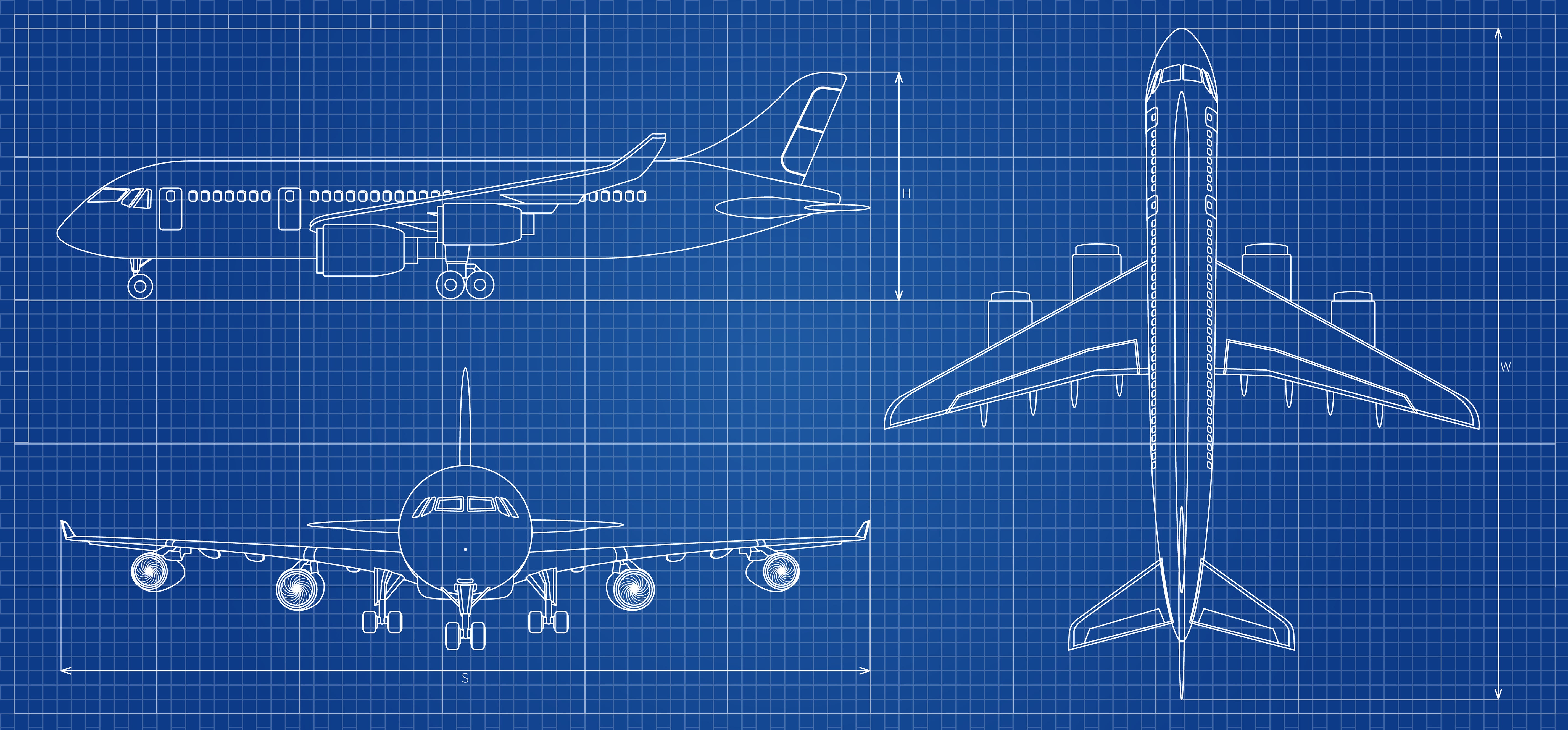
He may be onto something. It takes a special kind of engineering rigor to launch a 400-ton metal tube filled with squishy humans into the sky at near the speed of sound and bring it down safely, a hundred thousand times a day for decades.
I spent eight years working in reliability engineering, a field whose defining literature began as a model of aircraft maintenance. One accident per twenty million flight hours is what it looks like for a problem to be treated with respect.
By contrast, even as AI companies approach trillion-dollar valuations and touch the lives of a billion users, AI remains largely unregulated, its makers having more in common with Silicon Valley “move fast and break things” startup culture than with aviation’s nearly seventy-year history of engineering rigor. If we don’t want to invite catastrophe, that needs to change.
Mukunda argues that AI’s potential to help bad actors develop bioweapons more than justifies an FAA-like regulatory regime. I think he’s got the right idea, though I disagree with some specifics.
I worry about more than just bioweapons, for one thing. Cybersecurity is another major factor, and self-improving AI is the threat that could eat the world if we don’t get our act together. And I flatly disagree when Mukunda says the world can’t regulate AI the way we regulate nuclear weapons. I see where he’s coming from — open-weight AIs that anyone can download are nigh impossible to contain — but it’s far easier to regulate AI chips.
Mukunda rightly points out that regulation comes with its own concerns. The FAA itself has seen its fair share of regulatory capture and loss of expertise. There are important lessons to be learned in how not to regulate AI.
It still beats the alternative. Mukunda argues that rigorous engineering standards are necessary but not sufficient; without them, “the entire world would be betting its safety on the discretion of the most technologically advanced bad actor.”
Despite various proposals from worried groups, AI companies have yet to adopt anything close to the practices and standards of a mature field like aviation. Yet they’re proposing to load all of humanity into a plane that they admit has a strong chance of going down in flames. With the stakes as high as they are, I don’t think we can afford to wait decades for the field of AI to learn caution and rigor the hard way.
The analyses and opinions expressed on AI StopWatch reflect the views of the individual contributors and the sources they cover, and should not be taken as official positions of the Machine Intelligence Research Institute.