


.jpg)
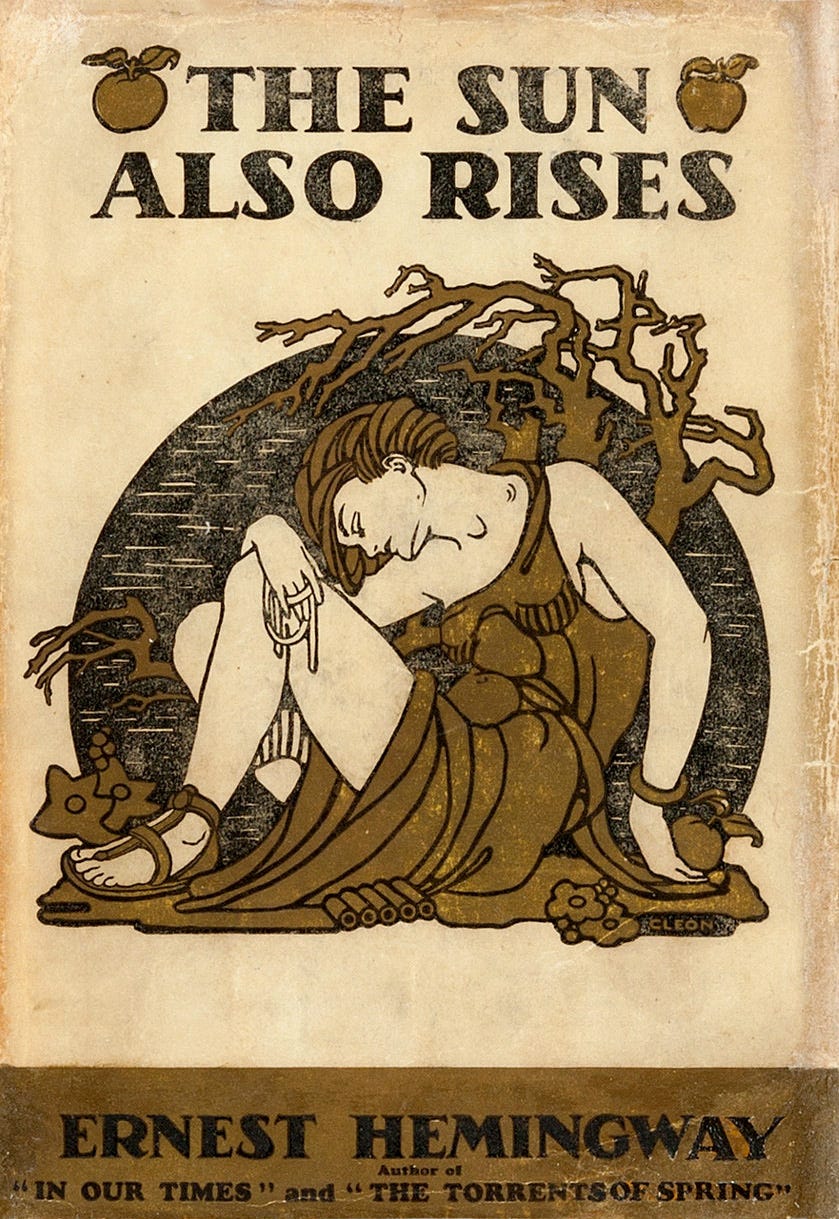
Asked how he went bankrupt, a character in Ernest Hemingway’s The Sun Also Rises famously replied, “Two ways. Gradually and then suddenly.” Lately, it’s also seemed like this apt description of bankruptcies applies equally well to developments in the field of AI.
While we have likely entered the “suddenly” phase of automated cyberattacks, we seem to still be in the “gradually” phase of job displacement. A recent update to a Stanford “Canaries in the Coal Mine” economics paper finds a rising gap in employment among young workers in “AI-exposed” fields, but no clear signs in the economy as a whole.
“AI was supposed to destroy jobs. Where’s the carnage?” a Guardian headline quips. While I’m always glad to see a lack of carnage, I suspect it’s a bit premature to celebrate.
The evidence the authors gathered is still early and tentative, but it points towards modestly reduced hiring of young workers and a shift towards experience-based or “tacit” knowledge, away from formal or “codified” knowledge.
I’ve always felt somewhat ambivalent about AI’s effect on jobs. Most technology creates value overall. Making a task cheaper or more efficient can often raise employment, as demand for the task grows. Sometimes a field crosses a threshold and renders some kinds of high-skilled work irrelevant, but brings in new opportunities for the young and inexperienced: see, for example, the mechanical loom, which put many weavers out of work even as it created a new kind of job for factory workers.
AI, though, seems different. It’s hitting the young, not the experienced, for one thing. More to the point, it’s the first time in history that a machine’s been close to human intelligence. AI already writes most of the code at AI companies, and it’s not because AI labs hate making money or writing good code. Whole classes of labor might be in the crosshairs soon. It’s possible, even likely, that AI could one day supplant all human labor.
Still, I suspect the question is somewhat moot; by the time AI gets that far, the future will be determined by whether humanity bought enough time to impart AIs with a deep-seated care for human flourishing, and employment will be the least of our worries.
The analyses and opinions expressed on AI StopWatch reflect the views of the individual contributors and the sources they cover, and should not be taken as official positions of the Machine Intelligence Research Institute.