


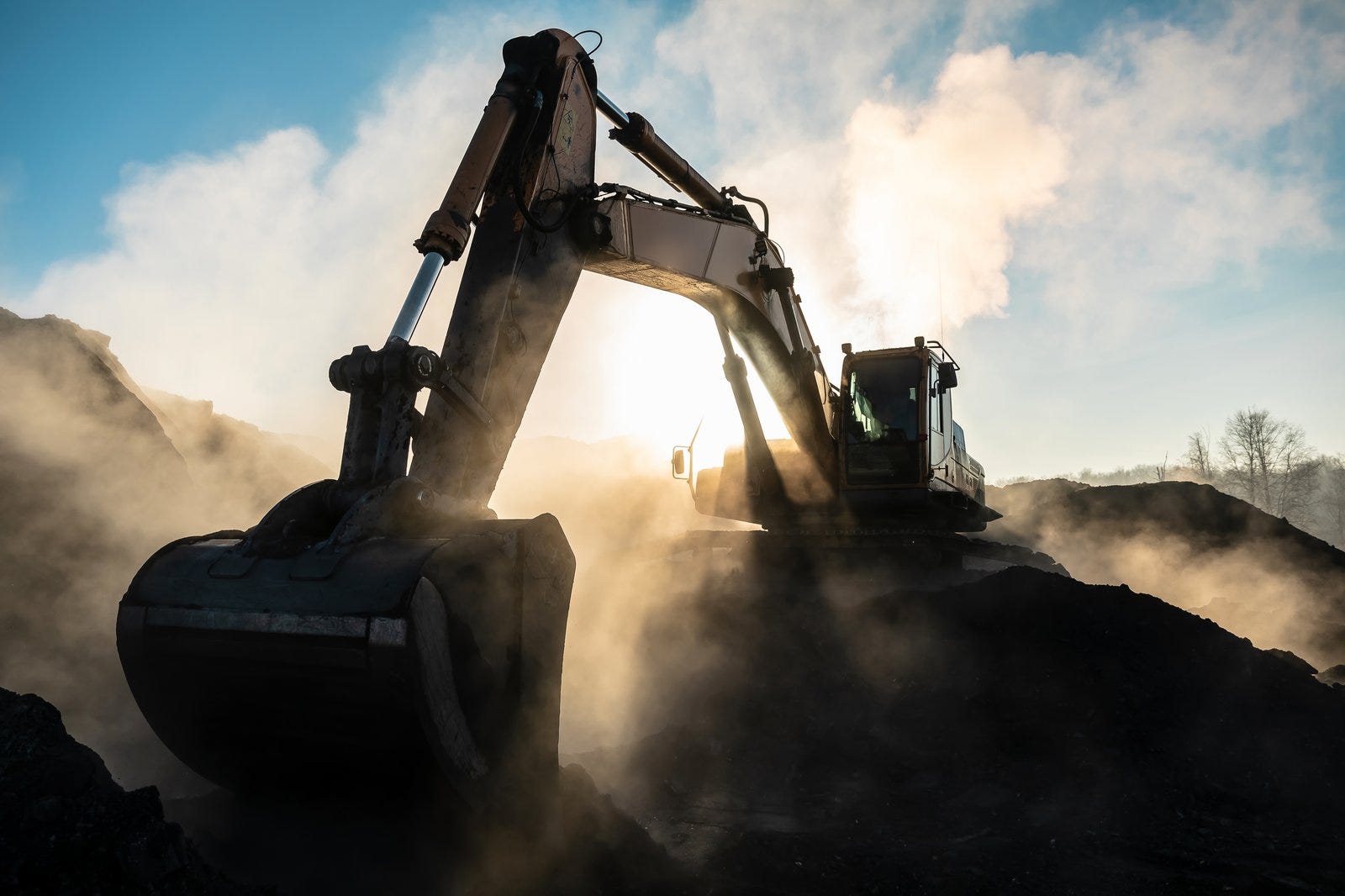
Machine learning is digging into construction work, as automated excavators are tested on commercial sites. Kurt Knutsson of Fox News relays how Bedrock Robotics equips excavators with a sensor and computing package that runs an AI operator, which can call in a remote human operator if it gets stuck.
I noted this development with interest, since most recent AI automation has affected knowledge work, like software, essay mills, mathematics, ghostwriting, and art. It seems like heavy earthwork sits in a sweet spot that makes it ripe for the next phase of automation: Repetitive, narrowly scoped tasks that require costly training for humans to perform safely.
An important caveat is that this is almost certainly a disguised marketing pitch by Bedrock. I would not be shocked to learn their automated excavators cut some corners or are (for now) far more expensive than human operators. This is still the most clear-cut example I’ve yet seen of robots doing messy physical labor. It demonstrates a proof-of-concept for “real-world economic value” that some skeptics doubt AI can bring.
Will this hurt construction jobs? Bedrock argues that skilled operators of heavy machinery are hard to find and train, and industry surveys seem to back this up. They also say “we do not expect operators to be replaced at all,” but instead to move into supervisory roles for fleets of robots.
This claim is a standard talking point for many aspiring automators, but it might well be true, at least in the short term. A human operator managing a fleet of automated systems is standard fare for many professions, including my old field of oil and gas refining. But when it comes to machine learning, the claim that humans will always sit atop the labor pyramid is misleading and myopic: AI companies, remember, are looking to produce general intelligence that can do anything a human can and much more.
Bedrock itself envisions proceeding from excavators to something like an automated swarm of construction robots: Bulldozers, trucks, and graders, all coordinated by software, like an enormous anthill bustling with twelve-ton ants. I’d normally be optimistic about the potential for automated labor like this, but powering the bots with modern AI seems ill-advised, considering the stubbornness and lack of care we’ve seen in AI swarms so far.
The analyses and opinions expressed on AI StopWatch reflect the views of the individual contributors and the sources they cover, and should not be taken as official positions of the Machine Intelligence Research Institute.