

Stories about opposition to data centers have become a regular staple of mainstream AI journalism. To sample a few from this week:
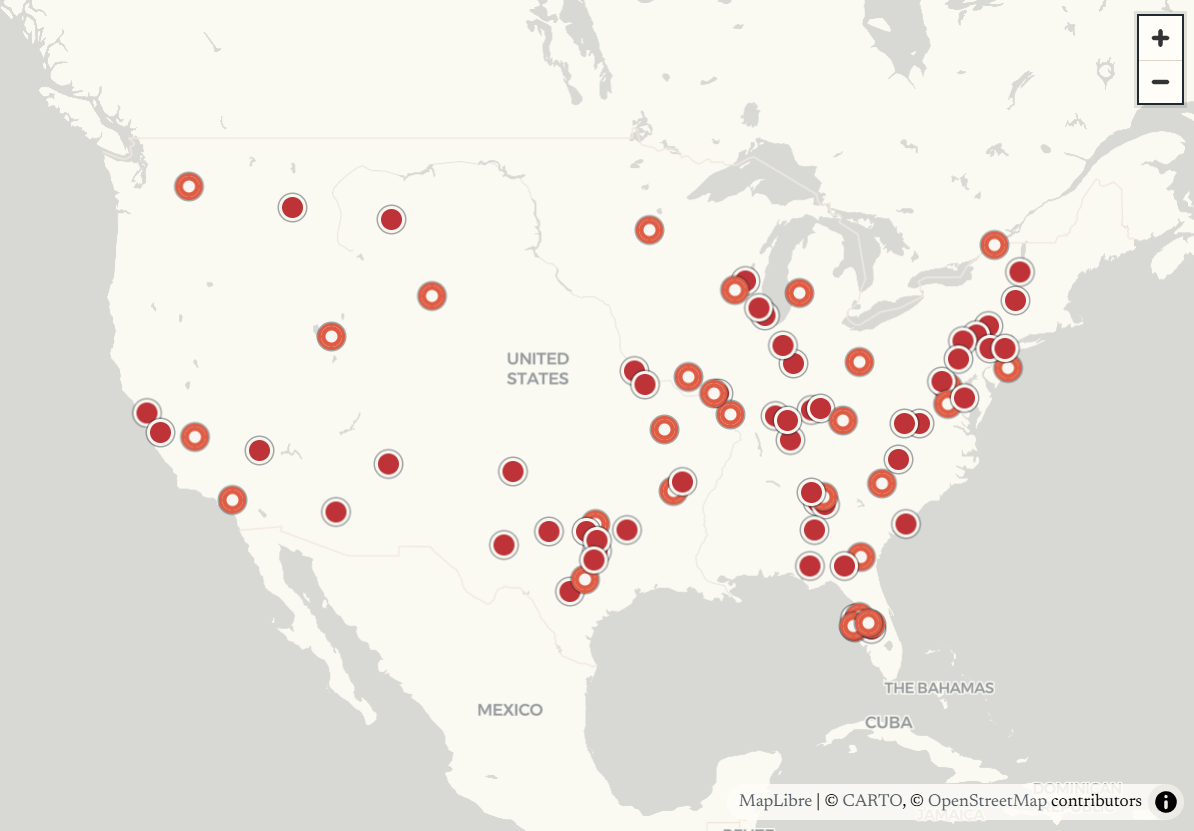
On Thursday, Newsweek covered the plans of Humans First, a conservative advocacy group coordinating a national day of protest against data centers at more than fifty sites across the U.S.
The group’s materials say their mission is to “protect our hometowns, our wallets, and our way of life from AI data centers forced on us in backroom deals.”
The organization’s website has a map of planned protests, which will be hosted by independent local organizers.
The day before, POLITICO reported that a 2023 Supreme Court ruling was being used to let data centers skip federal water pollution permits.
That ruling, in Sackett v. EPA, dramatically shrank the number of streams and wetlands protected by the Clean Water Act. But under the Trump administration, even projects still covered by the law are said to be “newly eligible for perfunctory approvals that the general public often doesn’t know about.”
Federal water permits were once considered the long pole in data center permitting, and served to clue the public in to planned developments. The information revealed through the applications provided ammunition local groups could use to oppose projects. When federal permits are bypassed, residents who want a say in what gets built near their homes are more reliant on an uneven patchwork of local, county, and state laws. An Ohio resident who only learned about an Amazon project after its permit was issued said, “It’s not even about data centers anymore at this point. It’s like, what’s happening to our democracy and what’s happening to our right to clean water and clean air?”
About that clean air: A story in the Associated Press this morning claims we are in the biggest-ever construction boom of natural-gas fired power plants, thanks to data centers that can each consume as much energy as a city. Clean-energy advocates are pushing for renewable requirements, but wind and solar projects are viewed as not being able to scale up quickly enough. This poses a special challenge to states like Michigan, Oregon, and Minnesota that had committed to using only zero emissions energy by 2040.
As fossil fuels go, natural gas is about as clean as it gets. But utilities and the federal government are also working to keep coal-fired plants operating past their scheduled retirement dates.
Given the long-term nature of utility planning, the fights playing out right now are expected to shape energy policy for decades.
The analyses and opinions expressed on AI StopWatch reflect the views of the individual contributors and the sources they cover, and should not be taken as official positions of the Machine Intelligence Research Institute.