

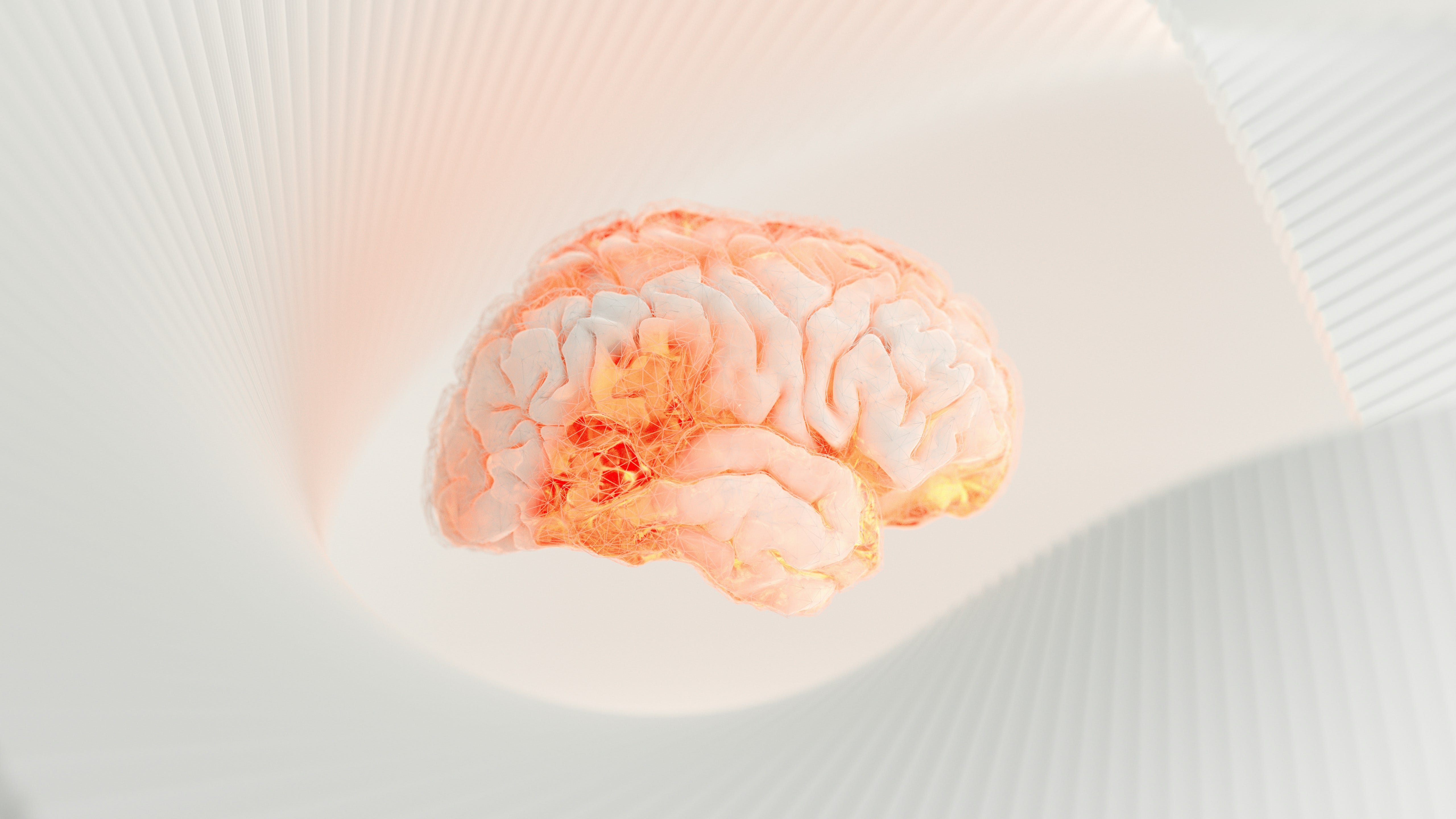
Suppose a very smart AI gained deep insight, via data and pattern analysis, into how human memories are recorded. Could it then use that knowledge to encode false memories … of your boss telling you to do a specific task, for example? Could it subtly alter how you perceive the world in ways that would change your behavior?
In Chapter 6 of If Anyone Builds It, Everyone Dies, authors Nate Soares and Eliezer Yudkowsky offer memory illusion as one possible guess for one possible way a superintelligent AI might manipulate reality.
I was recently reminded of this by an article in The Guardian, which covered a much lower-stakes, but still vaguely creepy example of AI-induced reality manipulation: humans are using AI to enhance nature images and unknowingly affecting scientific recordkeeping.
“Citizen science” is a way of crowdsourcing information about the natural world. Nature lovers and photographers post pictures of plants and animals on platforms like iNaturalist — information that, according to the platform’s director of community support, “a scientist could probably never get at scale.” He explains:
It is also almost like a sensor of what is happening on Earth in real time: are plants flowering early? Are species moving north as the climate warms? The more we know about where species are, the better informed we can be as conservationists.
But now, with more and more nature photo platform users creating or enhancing their images using AI, the record is essentially corrupted.
In one example, a user asked AI to make their bird image look better, and AI confidently changed the species from an epaulet oriole to a red-winged blackbird. This change seems to have gone undetected by the user, leading to a false sighting in Central Brazil, an area where the species hadn’t previously been seen.
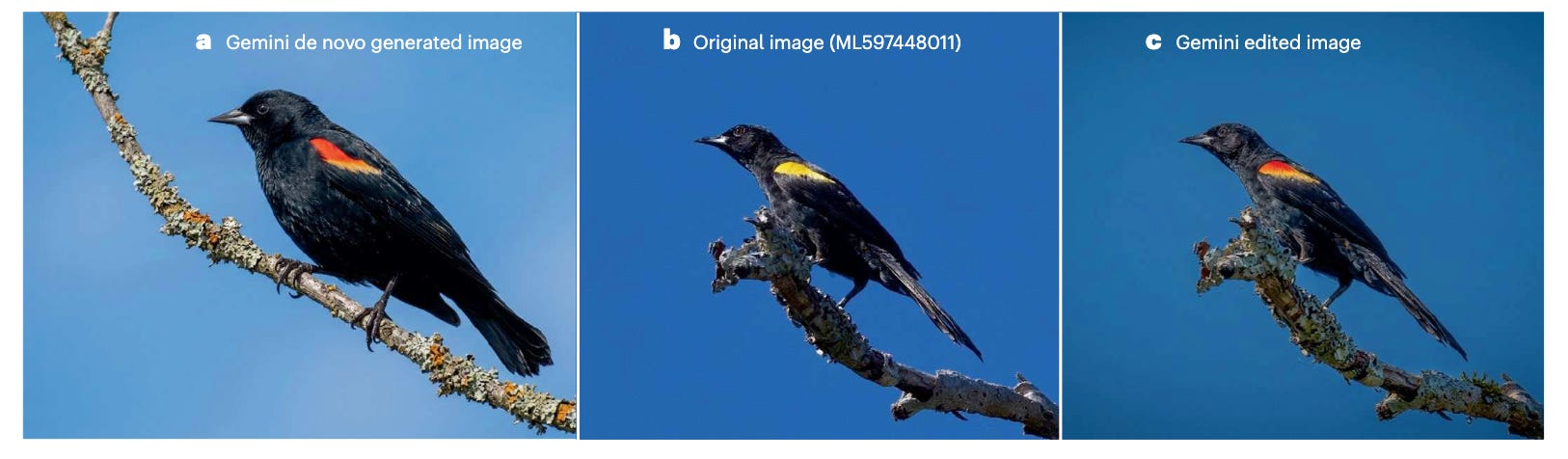
Events like this have led researchers to issue a warning in the science journal Nature:
AI image processing tools are now ubiquitous, and there is a pressing need to educate contributors of the problems that image manipulation can cause for the scientific record.
My take: this isn’t a dramatic example of AI-induced reality manipulation. But it’s proof that AI can already change our picture of the world, with real consequence.
The analyses and opinions expressed on AI StopWatch reflect the views of the individual contributors and the sources they cover, and should not be taken as official positions of the Machine Intelligence Research Institute.