

_IMG_7439.JPG)
I kind of wish this New York Times exposé of how Meta’s $50 billion Hyperion data center project was rushed through the Louisiana government had led with the part near the end where we learn that “Local residents have largely welcomed the boom.” Then it could have become a story about cheaters who don’t need to cheat cheating anyway. I think that would have been both more forthright and more damning.
The article’s intent is definitely to damn. While the authors are clear that none of the shenanigans on display seem to be illegal, readers will definitely wonder if they should be.
A bill for a tax rebate on fiber-optic equipment was “hijacked” to become a tax rebate for equipment used in data centers, part of a package of incentives that could be worth as much as $10 billion, not counting the use of public land in Richland Parish that makes up much of the roughly six-square-mile project.
During a critical nine-month period:
[S]ecrecy was agreed to by nearly everyone involved, from utility executives to the governor’s office to a local elected official who knew about the talks with Meta and sold 300 acres of his own property for the project.
Governor Jeff Landry’s chief of staff “passed around a stack of N.D.A.s” at a meeting at the governor’s mansion, where the governor promised to fire anyone found to have leaked the discussions.
That official who sold 300 acres likely did so at a valuation roughly ten times what that land was worth before the project was announced.
The sales tax exemption on data center equipment was dangled as a sweetener other states weren’t matching.
Necessary roads were to be upgraded at public expense.
No public meetings were held before the project’s official unveiling in December of 2024. This revealed a project only a fifth the size of the current plan, which seems to have been the real plan all along. It may get bigger still.
The deal gives Meta an “escape hatch” if things go south, leaving other parties on the hook for any potential downside.
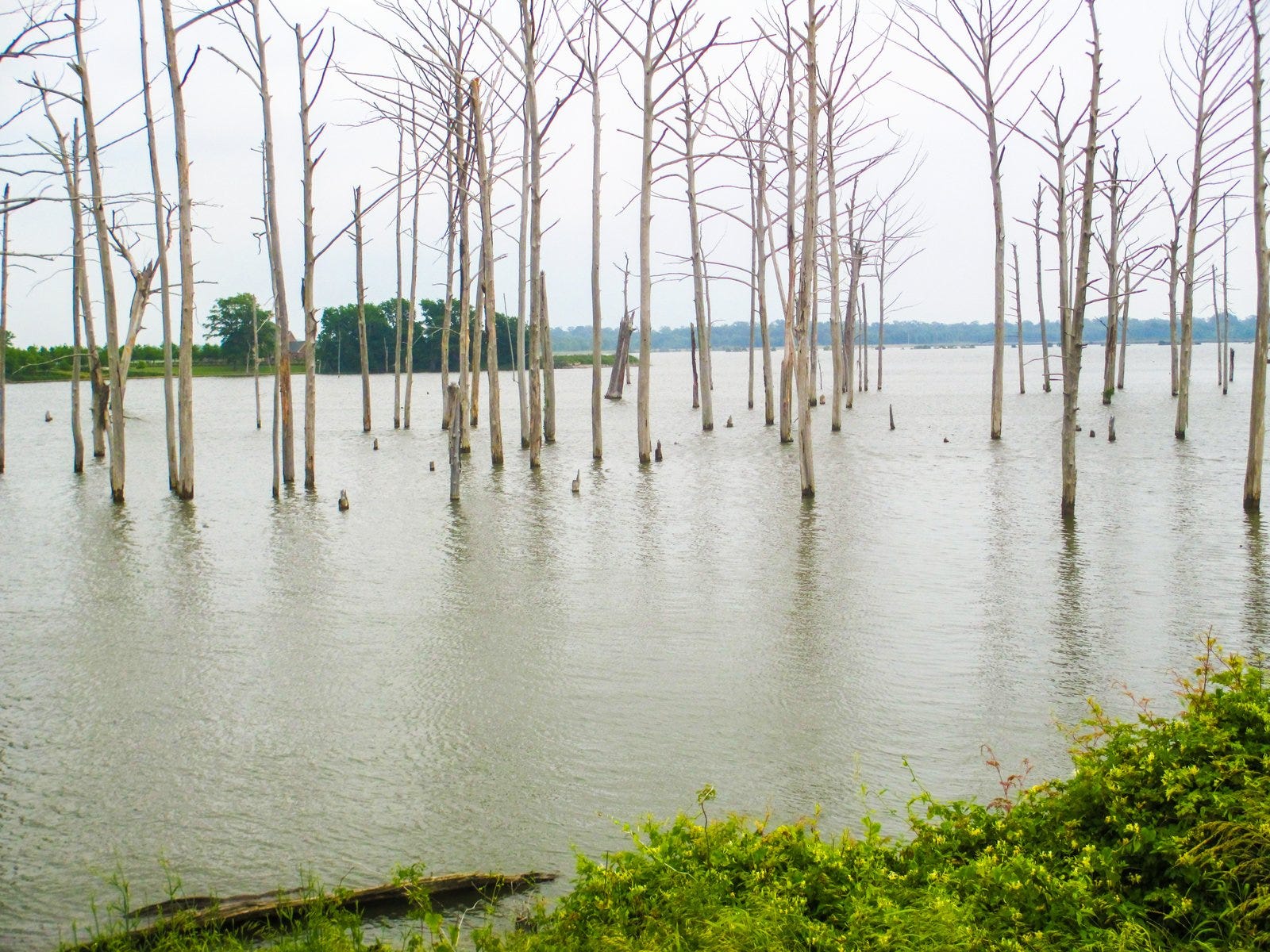
That risk seems real, if only because “insurance companies would not fully insure Meta’s facility because of its size and location in the Louisiana Delta flood plains.” The area last experienced significant flooding in 2016.
The analyses and opinions expressed on AI StopWatch reflect the views of the individual contributors and the sources they cover, and should not be taken as official positions of the Machine Intelligence Research Institute.