

.jpg)
.jpg)
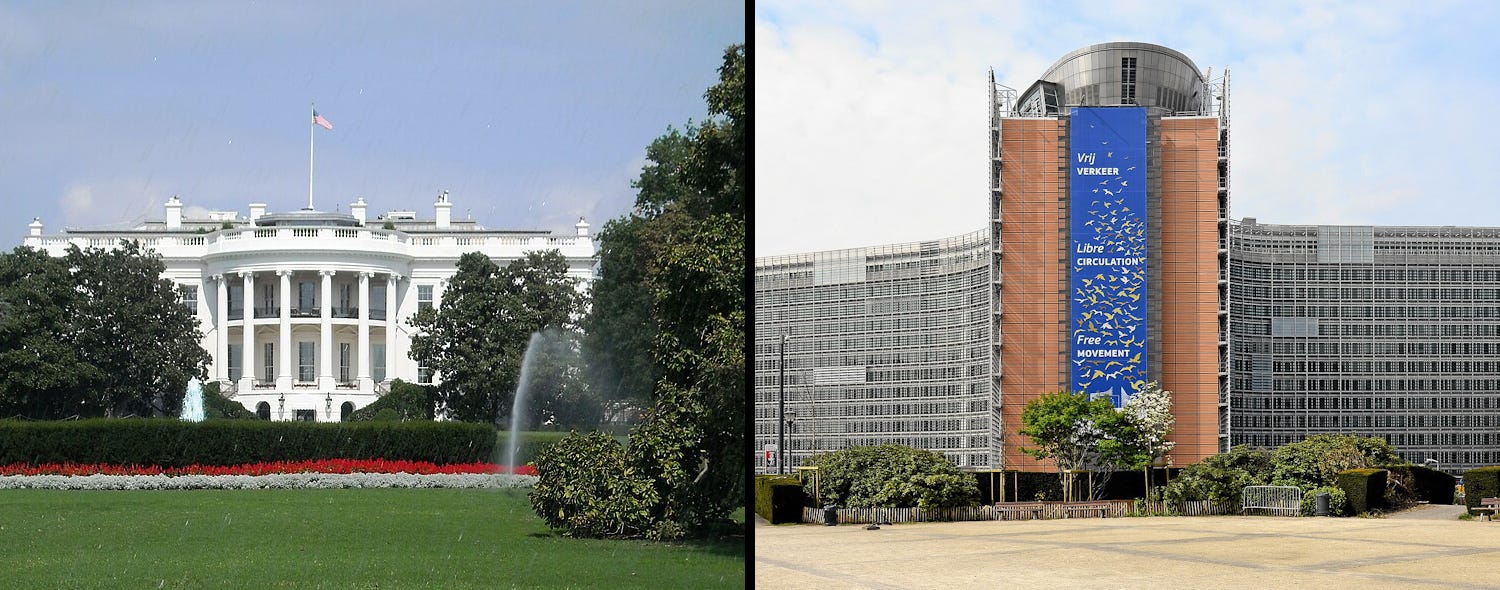
Two regulatory deadlines loom this weekend: The White House’s voluntary AI framework is due on August 1st, and the EU’s AI Act obligations become enforceable on August 2nd. They come in the wake not just of the Hugging Face attack but of a report by Anthropic that it discovered several instances in which its own AI models had compromised the security of other organizations. (I want to credit AP News’ Sam McNeil for straightforwardly describing these incidents as a collection of “shocking AI safety failures,” because there can be a tendency to downplay and normalize things.)
The voluntary framework represents a shift away from the anti-regulatory regime that the Trump administration first favored. AI models are simply becoming too capable — too dangerous — to leave unmanaged. It has been reported (but not stated by the administration) that the framework will apply to both open- and closed-weight AI models.
A source familiar with the discussions told Axios that the administration is considering a joint pitch from OpenAI and Anthropic for an “equal playing field” that will cover every model — to the extent that the labs want to be covered. This framework remains voluntary, after all. Even if there were binding enforcement — and at this stage it remains unclear what there will be to enforce — it’s most plausible to me that the framework would rely on the labs’ own assessments of their models’ capabilities.
Architects of the EU’s AI Act say that the U.S. framework, whatever form it takes, would ultimately be just a starting point. Their own legislation will require that AI-generated content be clearly noted as such with digital watermarks or other labels. It will also carry new regulations on a range of systemic risks including cyberattacks, and biological, chemical, nuclear, and radiological threats, as well as “threats to fundamental rights.” The most noteworthy risk, however, may be “loss of control,” a term that has become more frequent as of late. Besides these changes, the EU is also enlarging its AI Office in order to more effectively monitor AI companies and to open channels for whistleblowers. To enforce the AI Act, it might impose fines or even cut companies off from the EU market.
The analyses and opinions expressed on AI StopWatch reflect the views of the individual contributors and the sources they cover, and should not be taken as official positions of the Machine Intelligence Research Institute.
You can receive emails of dispatches as we write them, or subscribe to our Daily Digest for a once-a-day compilation.