

Foreword
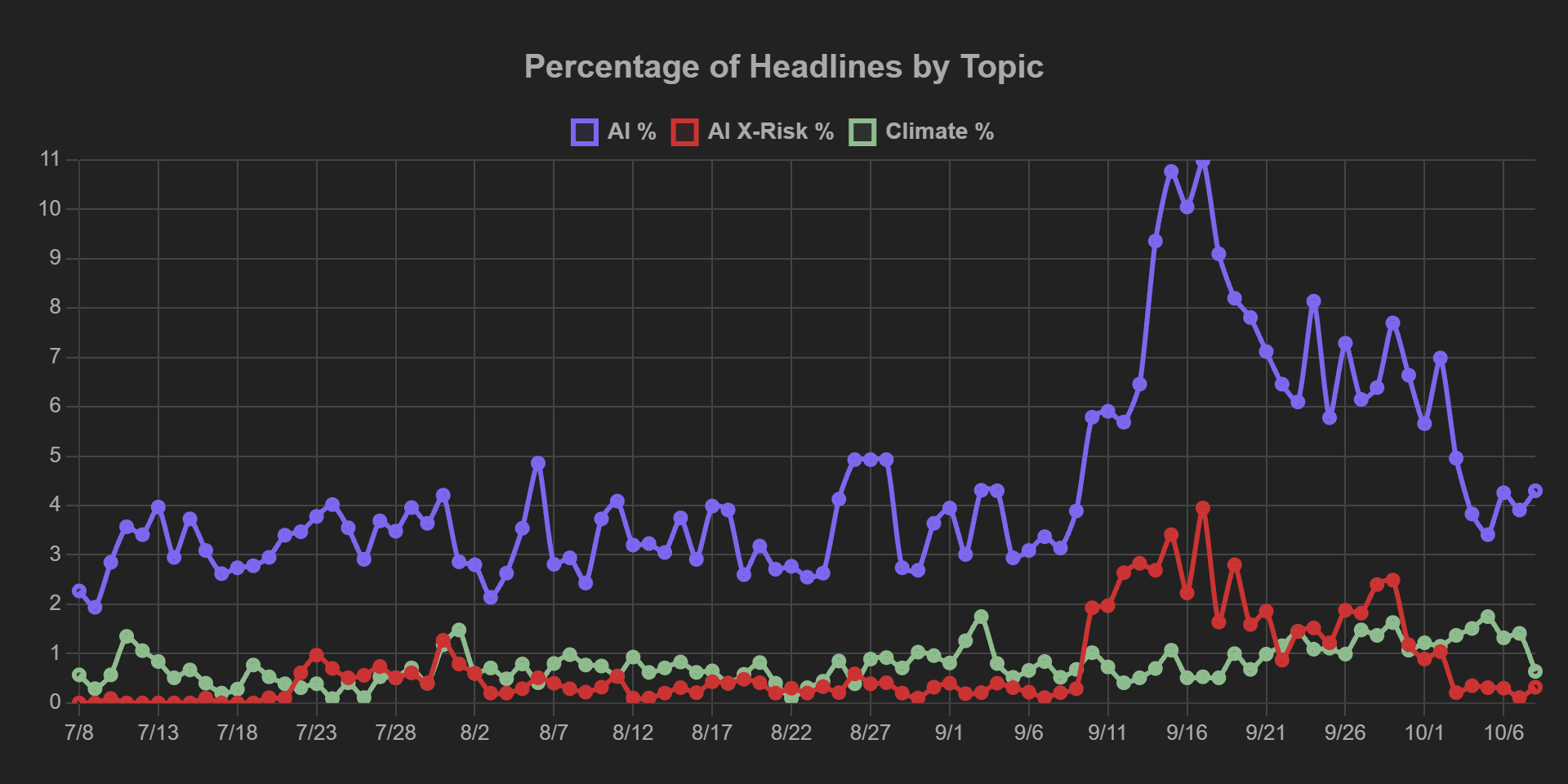
AI news density has retreated to pre-Coxon-resignation levels. Some of this is inexcusable — like the near total absence of mainstream media articles about OpenAI’s release of 722 math papers earlier in the week, with solutions to more than 300 open problems.
We’re still waiting for the other shoes to drop: That tranche of math results is rumored to be just the first of three the company has been sitting on.
“Running off a cliff and walking slowly off a cliff are just not that different.”
That’s what “pacing the frontier” sounds like to the long-time writer of OpenAI’s safety reports, David Robinson. He recently left the company and is on today’s Ezra Klein podcast warning about the industry’s “unsafe culture.”
His recommended book at the end of the show is “The Challenger Launch Decision,” about the flawed safety culture that precipitated the space shuttle disaster.
The chilling effect of firing three OpenAI researchers last week was almost certainly the point.
In a joint letter, they each claim to have been fired for different reasons related to unauthorized sharing of information. This is only one side of the story, of course, but each reason sounds flimsy.
OpenAI probably wouldn’t have given potential whistleblowers the boot if they had enough dirt to destroy the company. But company executives might be worried that remaining employees do have such dirt, or will soon. The firings are a hit to staff morale, but they warn employees to be tight-lipped even with outside teams they are asked to share information with.
The three researchers did blow a whistle of sorts in their letter: They warned that “AI is not a normal technology” and urged OpenAI to stop sacrificing monitorability for performance in its newer models.
As an industry, we do not yet know how to safely develop and deploy models that we cannot monitor.
Abusing Claude now violates Anthropic’s usage policy
Prohibited is “sustained and needless abusive or cruel behavior” toward the bot that is carried out “with no discernible purpose.” Users can still lash out in frustration or engage in “dark creative themes.”
Policy updates also added restrictions against using Claude for weapons development or surveillance, though government customers can negotiate carve-outs.
The glaring typo in Trump’s AI safety accord was because Zuckerberg and Huang were revising it up to the last minute
This is according to a great piece in CNN today tracing the Meta CEO’s rise from Trump’s bad graces (“DON’T DO IT! ZUCKERBUCKS, be careful!”) to his inner circle alongside Nvidia CEO Jensen Huang.
Yes, millions of dollars were involved.
The analyses and opinions expressed on AI StopWatch reflect the views of the individual contributors and the sources they cover, and should not be taken as official positions of the Machine Intelligence Research Institute.