


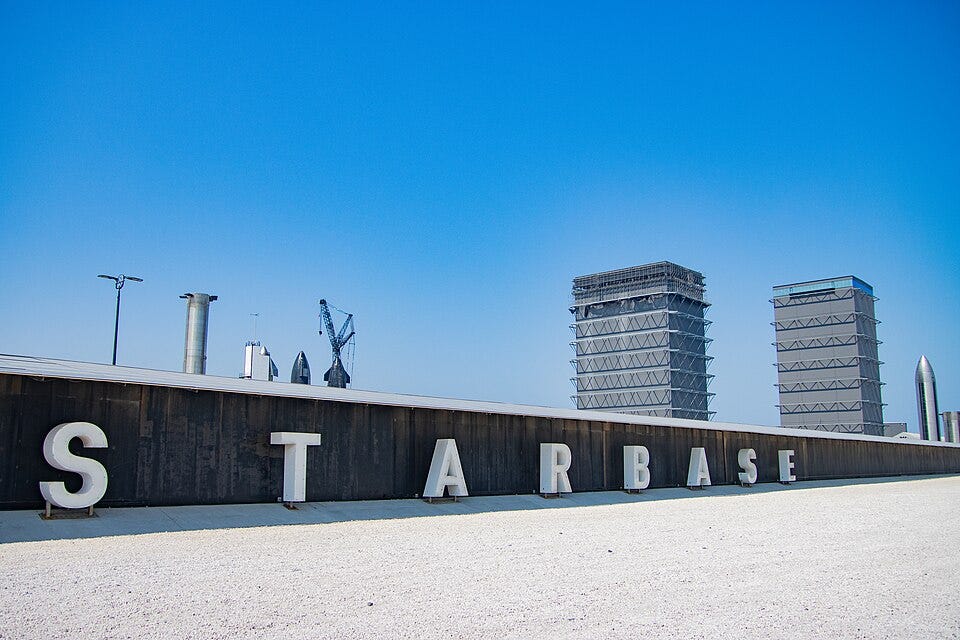

While I’m less skeptical than most about SpaceX’s plans for a million-satellite AI data center constellation, recent stories have highlighted the fact that Elon Musk won’t be able to just bypass concerns from NIMBYs and environmentalists by siting his infrastructure off-planet.
A couple weeks ago, we saw how groups were petitioning the FCC over the damage that such a massive launch campaign, and the eventual deorbiting of all those satellites, might inflict on the delicate upper atmosphere. Some are also concerned about light pollution.
Activists concerned about wetlands and fossil fuel extraction will also have something to say about the project. Today, Ars Technica reports that SpaceX is nearing a deal to acquire 130,000 acres along 18 miles of the Louisiana coast for the site of a new spaceport. The location, southwest of Lafayette on a site known as Pecan Island, would be especially good for launches into the near-polar orbits ideal for data centers in need of always-on solar power.
My own sense is that spaceports are one of the more wildlife-friendly uses of wetlands, because the possibility of wayward rockets demands a large exclusion zone of undeveloped land. Undeveloped coastal marshes also act as a buffer to mitigate damage from the region’s frequent hurricanes. But the land in question is already on environmentalists’ radar, having become available as part of a legal settlement following lawsuits that blamed oil giant ExxonMobil for pollution and coastal erosion.
The intensive natural gas extraction in the region is actually another perk for SpaceX, whose Starship and Super Heavy booster rockets burn methane (purified natural gas) for fuel. At the launch cadence imagined, rockets could consume a large fraction of the nation’s existing natural gas output. Distribution networks at the company’s Texas and Florida sites would likely be inadequate. But Pecan Island is just a few dozen miles from one of the world’s largest gas distribution hubs.
Musk’s mega-constellation would naturally result in more drilling for natural gas to fuel thirsty rockets. But to be fair, in the long run, the gas needed to put data centers in orbit, where they would be subsequently powered by the sun, would be far less than needed to run equivalent terrestrial data centers for their entire lives. Ad-hoc gas turbines are the default power source for many recent and planned projects, including SpaceX’s own notoriously loud and permit-flouting Colossus facility in Tennessee.
The analyses and opinions expressed on AI StopWatch reflect the views of the individual contributors and the sources they cover, and should not be taken as official positions of the Machine Intelligence Research Institute.