

Earlier this month, I expressed some measured enthusiasm for the practice of voters using chatbots to help them research candidates. I am somewhat less enthusiastic about this when the chatbots are specifically trained or hosted by political campaigns, and in some cases impersonate the candidates themselves.
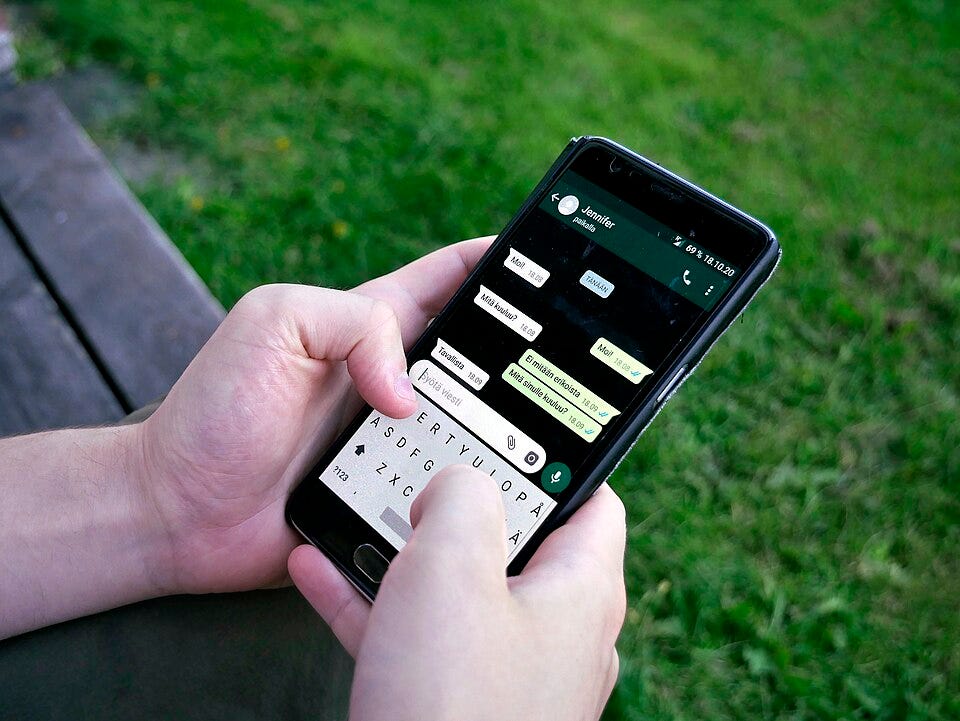
NPR’s Maham Javaid reports that such AIs are being used to extend the use of text messages as a canvassing tool. Where replies to these texts might once have been the responsibility of a few overworked volunteers — if anyone handled them at all — now they can all be replied to with patience and care by a chatbot.
A representative of a company that provides campaign chatbots said that “in some cases, we have people talk to our agent for hours” and that response rates to messages are as high as 5-10%. He claims that half a million outgoing messages this year have resulted in a total of twenty to thirty thousand conversations.
I think these bots could be good for democracy so long as voters know they are talking to a bot and who is paying for it. But I don’t trust this to reliably be the case. North Dakota and California have laws requiring campaign bots to reveal that they are AI in the first message, but even in those states I expect things to get murky and for rules to be ignored by shady third parties that pop up and vanish just before the election.
As we’ve seen in other recent coverage, Javaid’s article claims that Republican campaigns are more eagerly taking advantage of such tools, because Democratic campaigns tend to be more worried about the optics of AI use.
But as polls keep finding, concerns about risk from AI remain very bipartisan.
The analyses and opinions expressed on AI StopWatch reflect the views of the individual contributors and the sources they cover, and should not be taken as official positions of the Machine Intelligence Research Institute.